Patrick Caulfield
Series

Works


Exhibitions
Biography

Her handkerchief swept me along the Rhine, 1973
Patrick Caulfield (1936–2005) was a British painter and printmaker associated with the emergence of Pop‑inflected abstraction in the 1960s. Though often linked to the Pop Art movement, Caulfield charted a distinct path rooted in the interplay between flatness, line, and the semiotics of representation. Educated at the Chelsea School of Art and the Royal College of Art—with contemporaries including David Hockney—he developed a signature style characterized by crisp black outlines, saturated fields of color, and a stylized reduction of form.
Caulfield’s early exhibitions at the Robert Fraser Gallery and later at Waddington Galleries positioned him as a leading figure in British postwar art. Works such as *After Lunch* (1975) and *Still‑Life with Dagger* (1963) exemplify his capacity to blend the everyday with art‑historical references, often incorporating trompe‑l’oeil passages that destabilize distinctions between high and low visual languages. His graphic sensibility also made him a prolific printmaker, with screenprints that parallel his painted works in clarity and wit.
Retrospectives at Tate Britain (1999) and the Hayward Gallery (2013) underscored his enduring relevance. His works are held in the Tate, the British Council Collection, and numerous international museums. Influenced by Léger, Matisse, and commercial signage, Caulfield developed a visual language that is both celebratory and critical of modernity’s sleek surfaces. His carefully orchestrated compositions invite viewers into spaces of quiet contemplation, where the tension between illusion and flatness becomes a site of subtle narrative drama.
Caulfield’s early exhibitions at the Robert Fraser Gallery and later at Waddington Galleries positioned him as a leading figure in British postwar art. Works such as *After Lunch* (1975) and *Still‑Life with Dagger* (1963) exemplify his capacity to blend the everyday with art‑historical references, often incorporating trompe‑l’oeil passages that destabilize distinctions between high and low visual languages. His graphic sensibility also made him a prolific printmaker, with screenprints that parallel his painted works in clarity and wit.
Retrospectives at Tate Britain (1999) and the Hayward Gallery (2013) underscored his enduring relevance. His works are held in the Tate, the British Council Collection, and numerous international museums. Influenced by Léger, Matisse, and commercial signage, Caulfield developed a visual language that is both celebratory and critical of modernity’s sleek surfaces. His carefully orchestrated compositions invite viewers into spaces of quiet contemplation, where the tension between illusion and flatness becomes a site of subtle narrative drama.
Events
-

London Art Fair 2026, January 20 - 25
20 - 25 Jan 2026Stand 39, Mezzanine London Art Fair, January 20 - 25 Business Design Centre, 52 Upper Street, London, N1 0QH I am delighted to be exhibiting...Read more -
London Original Print Fair 2025, March 20 - 23
16 - 24 Mar 2025Booth W7 London Original Print Fair Somerset House, London, WC2R 1LA 19 March: Private View (by invitation only) 20 – 23 March: Open to the...Read more -

London Art Fair 2025, January 21 - 26
Business Design Centre, 52 Upper Street, London, N1 0QH 21 - 26 Jan 2025London Art Fair, January 21 - 26 Business Design Centre, 52 Upper Street, London, N1 0QH I am delighted to be exhibiting again at the...Read more -

British Art Fair 2024
September 26-29: Saatchi Gallery, London 26 - 29 Sep 2024Saatchi Gallery, Kings Road, London, SW3 4RY I am delighted to be exhibiting again at the British Art Fair, on the same stand (21 )...Read more -
London Original Print Fair 2024, March 21 - 24
21 - 24 Mar 2024London Original Print Fair, March 21 - 24 Stand W7, West Wing, Somerset House , Strand, London, WC2R 1LA I am delighted to be exhibiting...Read more -

London Art Fair 2024
17 - 21 Jan 2024I am delighted to be back exhibiting at the 2024 London Art Fair . 'We believe that great art provides a lens to see the...Read more -
British Art Fair 2023
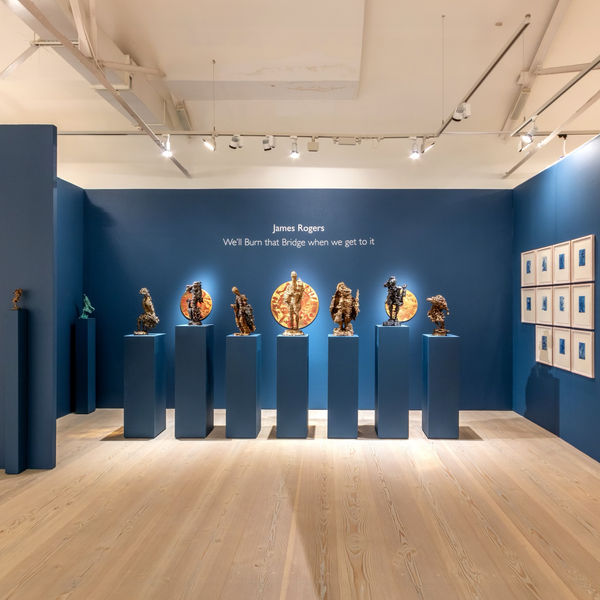
British Art Fair, Saatchi Gallery, Kings Road, London, SW3 4RY 28 Sep - 1 Oct 2023British Art Fair, September 28 - October 1 Saatchi Gallery, Kings Road, London, SW3 4RY I am delighted to be exhibiting again at the British...Read more -

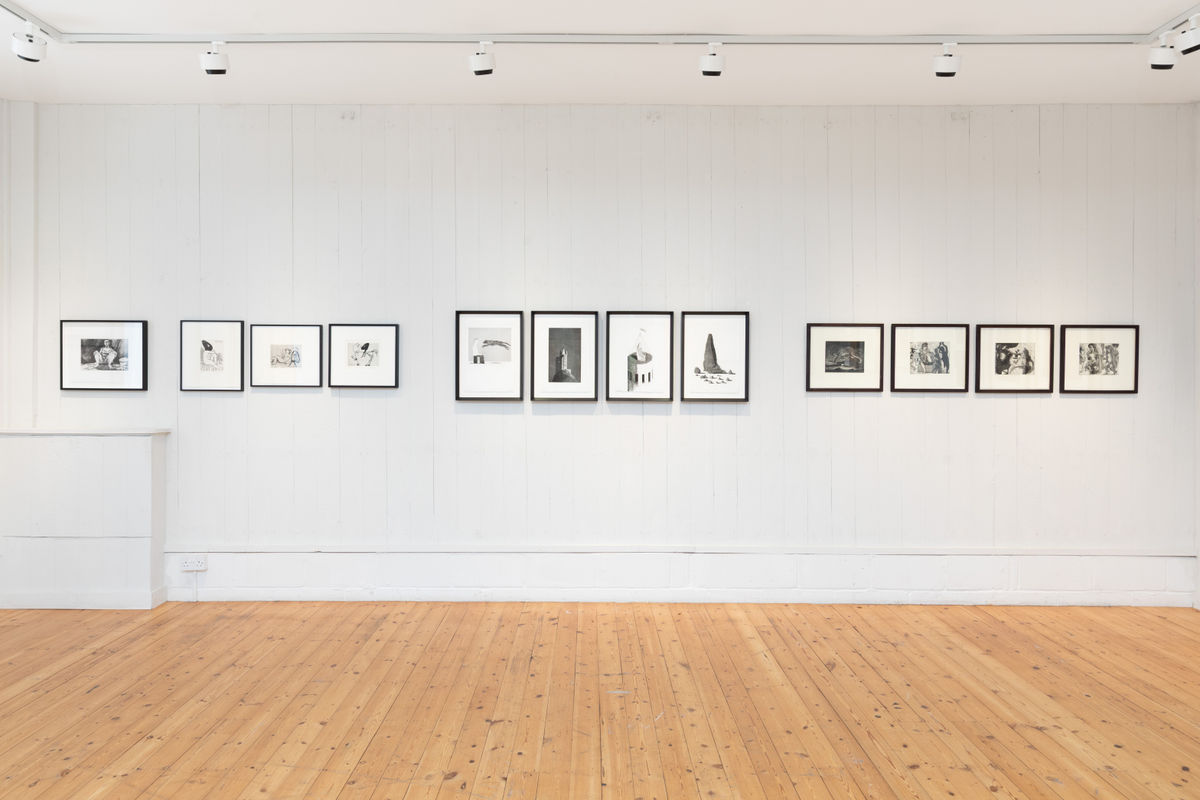
Patrick Caulfield: Some Poems of Jules LaForgue
6 Sep - 27 Oct 2023In celebration of the 50th anniversary of Patrick Caulfield’s homage to the poetry of Jules Laforgue, Julian Page, in association with Austin Desmond Fine Art,...Read more