Caroline Walker


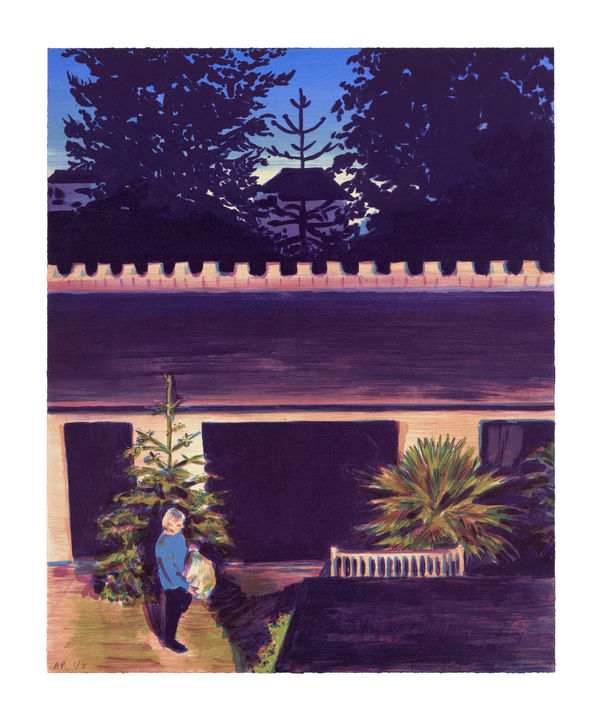


Caroline Walker (born 1982) is a British figurative painter known for her psychologically charged depictions of women in contemporary interiors. Over the past decade, she has established a distinctive voice within contemporary painting, exploring themes of labor, visibility, intimacy, and the social structures that shape women’s lives. Her work is recognized for its cinematic atmosphere, nuanced treatment of light, and acute observation of everyday environments.
Born in Dunfermline, Scotland, Walker studied painting at the Glasgow School of Art before completing postgraduate studies at the Royal College of Art in London. This dual grounding—first in Scotland’s rigorous painting tradition and later in London’s diverse contemporary art scene—helped shape her approach to figurative art. While her practice is rooted in observation, it is equally informed by photography, film, and an awareness of art historical precedents, from Dutch interior painting to 20th-century realism.
Walker’s paintings often depict women at work: hotel housekeepers, nannies, cleaners, shop assistants, caregivers, and migrants whose labor sustains domestic and commercial spaces. Rather than presenting overt narratives, she constructs quiet, contemplative scenes that invite viewers to consider the emotional and social dimensions of these roles. Figures are frequently shown from behind, partially obscured by windows, curtains, or architectural frames. This compositional strategy emphasizes both presence and distance, reinforcing themes of visibility and marginalization.
Light plays a central role in her paintings. Sunlight filtering through sheer curtains, the artificial glow of shop interiors, or the muted tones of early morning rooms create layered atmospheres. Walker often works on a large scale, allowing the viewer to feel physically immersed in the space of the painting. Her surfaces balance painterly looseness with precise detail, particularly in textiles, reflections, and skin tones. The result is work that feels both intimate and formally assured.
Travel and site-specific research are essential components of Walker’s process. She frequently develops bodies of work based on extended periods spent observing particular communities or environments. For example, she has created series focused on women working in luxury retail settings, female migrants in European cities, and staff in high-end hotels. These projects highlight the invisible labour underpinning globalized urban life, while also foregrounding the individuality and dignity of her subjects.
Walker has exhibited widely in the United Kingdom and internationally. Her paintings have been presented in solo and group exhibitions at major institutions and galleries, and her work is held in significant public and private collections. She has been the recipient of prestigious awards and nominations that underscore her contribution to contemporary figurative painting.
At the core of Caroline Walker’s practice is a sustained inquiry into how women occupy space—both physically and socially. By focusing on moments of quiet concentration rather than spectacle, she challenges traditional hierarchies of subject matter. Her paintings honor the complexity of everyday experience, transforming ordinary interiors into sites of reflection and subtle power. Through her sensitive and incisive approach, Walker continues to expand the possibilities of figurative art in the 21st century.